
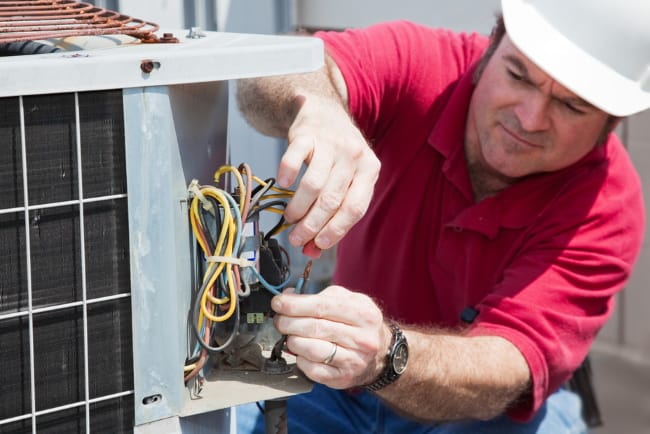
Keeping your family comfortable during summer does not have to mean running the AC nonstop or dealing with surprise cooling bills. With the right mix of shade, airflow, smart thermostat habits, and timely air conditioner repair when needed, you can keep your home cooler while helping your system work more efficiently.
How To Keep House Cool In Summer
The biggest challenge is that summer heat enters the home in several ways at once. Sunlight pours through windows, hot outdoor air sneaks in through gaps, appliances create heat indoors, and poor insulation allows the house to keep absorbing warmth long after sunset. Families often try to solve the problem only after the house already feels hot, which usually means the air conditioner has to work harder and longer.
By the time the living room feels sticky, the upstairs bedrooms are uncomfortable, or the kids are complaining, the house has already absorbed hours of heat through windows, walls, the roof, cooking, electronics, and air leaks. At that point, the air conditioner is no longer just cooling the air. It is fighting the heat stored inside the structure of the home.
Another challenge is comfort differences within the same household. One bedroom may feel stuffy, the kitchen may heat up quickly, and upstairs rooms often stay warmer than downstairs spaces. Add children, pets, work-from-home schedules, cooking, laundry, and bedtime routines, and cooling the house becomes a daily balancing act between comfort and cost.
Another common challenge is that families often cool the entire house when the real problem is usually more specific. It might be one west-facing bedroom, a kitchen that overheats after dinner, an upstairs hallway that traps warm air, or a room where the thermostat does not reflect how people actually feel. This leads to higher bills because the AC is being used to solve problems that shade, airflow, sealing, appliance timing, or room-by-room habits could handle more efficiently.
The most overlooked challenge is coordination. One person opens windows, another lowers the thermostat, someone starts the dryer, and sunlight pours through uncovered glass all afternoon. None of these choices seem like a big deal alone, but together they make the home harder and more expensive to cool.
The most effective approach is not one big expensive fix. It is a layered strategy: block heat before it gets inside, move air wisely, reduce indoor heat sources, use the air conditioner intentionally, and help people stay cool personally. Families save the most when they stop thinking of cooling as one appliance’s job and start treating the house like a heat-management system.
The goal is to prevent heat, remove heat, reduce heat, and then use air conditioning only for the comfort gap that remains. This is also the foundation of keeping house cool in summer without constantly lowering the thermostat, and it makes keeping house cool in summer feel more manageable for the whole family.
Block Heat: Ways To Keep Your House Cool In The Summer
The best time to fight summer heat is before it crosses the threshold. The most effective cooling move is not turning on the AC. It is stopping the house from collecting heat in the first place.
Windows are one of the biggest sources of unwanted heat, especially on sunny sides of the home. Sun-facing windows, especially in the afternoon, can act almost like small radiators. Once sunlight hits the glass and warms the room, the air conditioner has to spend energy removing heat that could have been blocked earlier.
Families should pay special attention to the “problem windows” rather than treating every room the same. A window that gets soft morning light may not matter much, but a west-facing window that bakes from 2 p.m. to 7 p.m. can drive up indoor temperatures for hours. Those high-impact windows deserve the strongest treatment: exterior shade, solar screens, reflective film, blackout curtains, cellular shades, or a combination of layers. Among the most practical ways to keep your house cool in the summer is to focus first on these high-impact windows instead of trying to upgrade every room at once.
Outside shade usually performs better than inside shade because it stops the sun before it reaches the glass. A curtain inside the house helps, but the heat has already reached the glass. Awnings, shade sails, porch curtains, trellises, outdoor blinds, trees, tall planters, or even a temporary patio umbrella placed strategically can reduce how much heat the home absorbs.
Families should also block hot air, not just sunlight. Gaps around doors, window frames, attic hatches, utility penetrations, baseboards, and poorly sealed pet doors can let hot outdoor air sneak in while cooled air escapes. Small gaps may not seem important, but they allow hot air to creep in and cooled air to escape. A weekend spent adding weatherstripping, door sweeps, caulk, or foam sealant may not look dramatic, but it can make the home feel less “leaky” and easier to keep comfortable.
The goal is simple: make the house act more like a cooler with a lid on it, not a box constantly absorbing sunlight and leaking conditioned air. A good rule is this: if the sun or hot air gets inside, the family pays to remove it later.
Fans And Curtains For Keeping House Cool In Summer
Fans, windows, and curtains work best when families use them based on the time of day instead of leaving everything the same from morning to night. The mistake many families make is using windows and fans randomly. They open windows because the house feels stuffy, run fans all day, and close curtains only after the room is already hot. A better strategy is to use the house differently at different times of day.
A helpful routine is the “cool, close, circulate” method. Cool the house naturally when outdoor air is comfortable. Close windows and coverings before the heat builds. Then circulate indoor air with ceiling fans, portable fans, or the HVAC fan setting when appropriate. This is one of the simplest tips to keep house cool in summer because it gives the home a daily rhythm instead of reacting after rooms are already overheated.
During cooler early mornings and evenings, open windows on opposite sides of the house to create cross-ventilation. This helps push warm indoor air out and pull fresher air in. Cross-breezes work best when air has both an entry point and an exit point. Opening one window may not do much, but opening a shaded lower window and a warmer upper window can help air move through the house.
Once the outdoor temperature starts climbing, close the windows and curtains to trap the cooler air inside. Curtains should be treated like part of the cooling system, not just décor. In sunny rooms, they should close before the sun becomes intense. In rooms that stay shaded, they can remain open longer for daylight without adding as much heat.
For homes with multiple floors, families can also use natural airflow strategically. Since hot air rises, upstairs rooms may need extra help releasing trapped heat in the evening. Opening upstairs windows briefly when the outside air is cooler, combined with a fan pointed outward, can help exhaust warm air. Meanwhile, shaded lower-level windows can bring in cooler replacement air. This kind of timing is especially useful for keeping house cool in summer when upstairs rooms stay warm after sunset.
Ceiling fans should rotate counterclockwise in summer so the airflow pushes downward and creates a cooling breeze. Fans do not actually lower the room temperature; they cool people by moving air across the skin. A ceiling fan or portable fan can make a room feel several degrees more comfortable, which may allow the thermostat to be set higher. That means fans should be turned off in empty rooms to save energy.
The best natural cooling routine is simple: use cool outdoor air when it helps, shut the house before outdoor heat takes over, and use fans only where bodies need the breeze.
Use AC Wisely To Reduce Cooling Costs
The air conditioner works best when it is supported, not overworked. Families often use the air conditioner like an emergency rescue tool. They let the house heat up, then drop the thermostat very low and wait for comfort. That usually leads to long run times, uneven cooling, and frustration. A more efficient approach is to help the AC maintain comfort instead of forcing it to recover from a hot house.
The air conditioner performs better when the home is already protected from heat. Families should keep doors and windows closed when the AC is running, close blinds, seal leaks, reduce cooking heat, replace or clean filters regularly, and make sure vents are open and not blocked by rugs, curtains, furniture, toys, or storage. A dirty filter or blocked vent forces the system to work harder while delivering less comfort. These steps do not replace AC on very hot days, but they reduce how hard it has to work.
It also helps to avoid dramatic thermostat changes. Setting the thermostat much lower than needed does not cool the house faster in most systems; it simply makes the AC run longer. Families should choose a comfortable target temperature and use fans, shade, and clothing choices to make that setting feel better. A steadier setting usually works better than repeatedly turning the temperature way down after the house has already overheated.
Families should also use fans with the AC. A ceiling or portable fan can make a room feel cooler, allowing the thermostat to be set a few degrees higher without sacrificing comfort. This is one of the simplest ways to reduce cooling demand and reduce cooling costs without making the house feel less comfortable.
Maintenance matters too. The outdoor unit should have clear space around it so it can release heat properly. If the AC is running constantly, struggling to cool, making unusual noises, creating uneven temperatures, producing weak airflow, short-cycling, or running constantly without reaching the set temperature, it may need maintenance, duct attention, or a professional inspection.
The most efficient AC strategy is not “use it less at all costs.” It is “use it under better conditions.”
Thermostat Tips For Summer Energy Savings
A practical summer thermostat strategy is to choose the highest temperature that still feels comfortable when people are home. Many families find that a setting around the upper 70s Fahrenheit works well, especially when paired with fans, light clothing, closed blinds, and reduced indoor heat from cooking or appliances.
The best thermostat setting is the highest temperature the family can comfortably live with, supported by smart habits. Instead of chasing one perfect number, families should build a comfort range. For example, a home may feel fine at a slightly higher setting when fans are running, sunlight is blocked, humidity is controlled, and people are dressed for summer. This makes summer energy savings easier because comfort comes from the whole home routine, not only from a colder thermostat setting.
When no one is home, raising the thermostat several degrees can save energy. A programmable or smart thermostat makes this easier because it can follow the family’s schedule automatically. The key is not to turn the home into an oven while away, but to avoid paying to keep an empty house extra cool.
A useful habit is to avoid big temperature swings. Letting the house get extremely hot and then trying to cool it quickly can be uncomfortable and inefficient, especially if walls, floors, furniture, and upstairs rooms have absorbed heat. Raising the temperature while away can save energy, but the home should not be allowed to become so hot that recovery takes hours.
Programmable or smart thermostats can help because they remove the need to remember every adjustment. Families can set a warmer temperature during work or school hours, a comfort setting before everyone returns, and a sleep setting that matches nighttime routines.
At night, families may be able to use a slightly higher AC setting if they use breathable bedding, fans, and cooler evening air. In bedrooms, comfort is often more about airflow and humidity than a very low temperature.
The thermostat’s location also matters. If it is near sunlight, lamps, electronics, the kitchen, or a warm hallway, it may misread the home and run the AC longer than needed. Families should avoid placing heat-producing items near it.
Small habits support the thermostat: close curtains early, use fans in occupied rooms, run heat-producing appliances at night, keep filters clean, replace filters, and avoid constantly changing the setting. The thermostat should be treated like a steering wheel, not a panic button.
Hot Habits That Make It Hard To Keep House Cool In Summer
Many everyday routines quietly heat the home. Ovens, stovetops, dryers, dishwashers, incandescent bulbs, gaming systems, large TVs, and even multiple chargers or electronics can add warmth indoors. The kitchen and laundry room are often the biggest offenders. Individually, these may seem minor. Together, they can make the AC work harder all afternoon and evening.
Cooking is usually the biggest daily heat source. Families can reduce heat by cooking earlier in the morning, grilling outside, using a microwave, air fryer, toaster oven, slow cooker, or pressure cooker instead of the full oven. Cold meals, salads, wraps, fruit, and batch cooking can also help during heat waves. The point is not to avoid cooking entirely. It is to stop using the oven at the exact time the house is already fighting peak heat. For families looking for practical tips to keep house cool in summer, moving heavy cooking away from the hottest hours can make evenings much more comfortable.
Laundry is another place to make a difference. Running the dryer in the evening, using a lower heat setting, cleaning the lint trap, drying full but not overloaded loads, or line-drying some items can reduce indoor heat. Dishwashers should be run at night when possible, and heated dry settings can often be turned off.
Bathrooms matter because humidity makes people feel warmer. Shorter showers, bathroom exhaust fans, and closing the bathroom door during and after showers can prevent muggy air from spreading through the home.
Lighting and electronics also matter. Switching to LED bulbs reduces both electricity use and heat output. Families should also turn off unnecessary electronics, especially in bedrooms and small rooms where heat builds quickly. Gaming consoles, desktop computers, large TVs, and chargers can warm small rooms.
A good family rule is to ask: “Will this add heat or humidity indoors during the hottest part of the day?” If yes, delay it, reduce it, move it outside, or choose a cooler alternative.
Easy Upgrades To Reduce Cooling Costs
Some of the most useful cooling improvements are inexpensive. The best low-cost improvements are the ones that reduce the amount of heat the home absorbs or loses control of. Families do not always need a major renovation to feel a difference. They need to identify the weak spots.
Start with the sunniest windows. Thermal curtains, blackout curtains, cellular shades, reflective film, solar screens, bamboo shades, or exterior shade can make hot rooms more manageable. A family may not need to upgrade every window. Improving the two or three worst windows often delivers the biggest comfort improvement for the least money. These targeted changes are often among the best ways to keep your house cool in the summer because they solve the rooms that cause the most discomfort first.
Next, seal the easy leaks. Weatherstripping doors, adding door sweeps, caulking window gaps, sealing attic access points, using foam gaskets behind outlet covers on exterior walls, and attic hatch insulation are inexpensive ways to reduce unwanted air movement. These small fixes help cooled air stay inside longer.
Outdoor shade can be surprisingly affordable. Families can use patio umbrellas, shade sails, trellises with climbing plants, outdoor blinds, bamboo blinds on porches, or strategically placed potted plants to block direct sunlight from hitting windows, walls, and patios. Even temporary seasonal shade can help during the hottest months.
Inside the home, switching to LED bulbs, adding a few well-placed fans, insulating exposed ducts in hot areas, ductwork sealing, keeping vents clear, using rugs less in hot rooms if they trap warmth, and improving attic ventilation where appropriate can all support cooling. Families should also look at the attic if accessible. Poor attic insulation or ventilation can make the whole home harder to cool, especially upstairs. These upgrades also support summer energy savings by reducing how often the cooling system has to work against preventable heat.
The smartest low-cost improvements are targeted. Do not start with the most expensive solution. Start with the hottest room, the sunniest glass, the leakiest door, and the routines that add the most heat.
Family Tips To Keep House Cool In Summer
Keeping people cool is just as important as keeping the whole house cool. A house does not always need to be colder for people to feel cooler. Personal comfort can often be improved faster and cheaper than whole-home temperature.
Personal cooling can be surprisingly effective. A fan aimed at the body, a chilled water bottle wrapped in a towel, a cooling neck wrap, or a damp cloth on the wrists, neck, or behind the knees can help someone feel cooler without lowering the thermostat for the entire house. Lightweight clothing, breathable bedding, cool drinks, and lukewarm showers can also help the body regulate temperature. These personal habits can reduce cooling costs because the family may stay comfortable without needing to cool every room more aggressively.
Bedrooms deserve special attention because sleep suffers in hot weather. Use cotton or linen sheets, keep blankets light, run a fan safely, close curtains during the day, avoid running electronics in the room, and open windows only when outdoor air is cooler than indoor air. Some families also place a fan near a doorway to pull cooler air from the rest of the home into a warmer bedroom.
Meals and routines matter too. Heavy cooking, hot showers, heavy meals, and intense indoor chores can make people feel overheated. During very hot days, schedule chores for early morning or evening and keep meals simple.
For babies, children, older adults, pregnant people, people with health conditions, and pets, families should be more cautious. Personal comfort is not just about convenience during extreme heat; it can also be a safety issue. Families should watch for signs of overheating and use air conditioning, cooling centers, or other safe options when indoor heat becomes unhealthy.
The goal is not to prove you can live without AC. The goal is to use whole-home cooling and personal cooling together so comfort does not depend on constantly lowering the thermostat.
Other Ways To Keep Your House Cool In The Summer
The most practical strategy is to treat cooling as a daily routine, not a last-minute emergency. Summer comfort is won or lost in small decisions made throughout the day.
Start the morning by letting in cool outdoor air if the temperature is comfortable. Open windows briefly to refresh the house, then close them before outdoor temperatures climb. Before direct sun hits, close windows, blinds, curtains, and doors, especially on the sunniest sides of the home. This routine can help families keep house cool in summer before the AC has to handle the entire load.
During the hottest hours, keep heat out and reduce indoor heat. Limit oven use, delay laundry and dishwashing, keep doors closed, run appliances later in the day, and use fans only where people are present.
Use the air conditioner steadily and intelligently. Choose a reasonable thermostat setting, support it with fans and shade, and avoid dropping the temperature dramatically out of frustration. Keep filters clean, vents clear, and the outdoor unit unobstructed.
Families should focus on the rooms they use most. There is no need to cool every space equally if everyone is gathered in the living room or sleeping in bedrooms at night. Those spaces should get the best shade, airflow, and comfort attention. Close off unused areas only if it is safe and appropriate for the HVAC system, and avoid blocking return vents. For many households, keeping house cool in summer works better when the busiest rooms get the most attention first.
The standout tip is to stack small actions. One change may feel minor, but five or six changes working together can make the house noticeably cooler. When families block heat early, seal leaks, reduce indoor heat, move air wisely, maintain the AC, and raise the thermostat slightly when the house can still feel comfortable, they can stay comfortable while keeping energy bills under better control. This is one of the most reliable ways to keep your house cool in the summer, and it also supports summer energy savings over the whole season.
Keeping a house cool in summer is not about one magic trick. It is about making sure every part of the home is working with the cooling system instead of against it. When families combine daily routines, smart upgrades, and practical tips to keep house cool in summer, they can reduce cooling costs while making the home feel more comfortable from morning to night.

- How Do You Know When It’s Time to Consider Addiction Rehab? - June 1, 2026
- 201 Great Father’s Day Quotes to Inspire and Empower Him - May 12, 2026
- 179 Happy Mother’s Day Quotes for Mom in 2026 - April 20, 2026